Why I Built Slab or Not
What did you collect when you were 10? 15? 20? Most of us can still picture a great card or an awesome pack we opened as kids. For me, that was more than 40 years ago.
An ammo box and an Eddie Murray rookie
My first memory of collecting is grabbing 1978 Topps baseball packs on trips to Woolworth's with my mom. Those cards went into an old green Army ammo box in my closet, and they stayed there until I was about 15.
That's when I found an Eddie Murray rookie in the box and wondered if it was worth anything. I can still see the gold Topps Rookie Cup in the bottom right corner. Not long after, I picked up a Beckett, and I was hooked all over again.
I subscribed to Beckett Monthly, and every month I spent hours combing the prices, taking notes, and checking my cards for that little "up arrow." The articles were full of hobby news and new cards. I used Beckett religiously for years.
A card show with my dad
At 16 I got a resale license and started buying cards wherever I could find them. Costco and United Grocers became weekly stops.
In 1988 I told my dad I wanted to do a baseball card show. We bought a table at a bowling alley in Fife, Washington, for a Saturday-only show. My dad had a regular job during the week, but he was right there with me, along with a little gray lock box for the money.
When we packed up, we filled the station wagon and headed to Denny's for dinner, on the house. When we counted the money, my dad was shocked: just over $700. It was amazing.
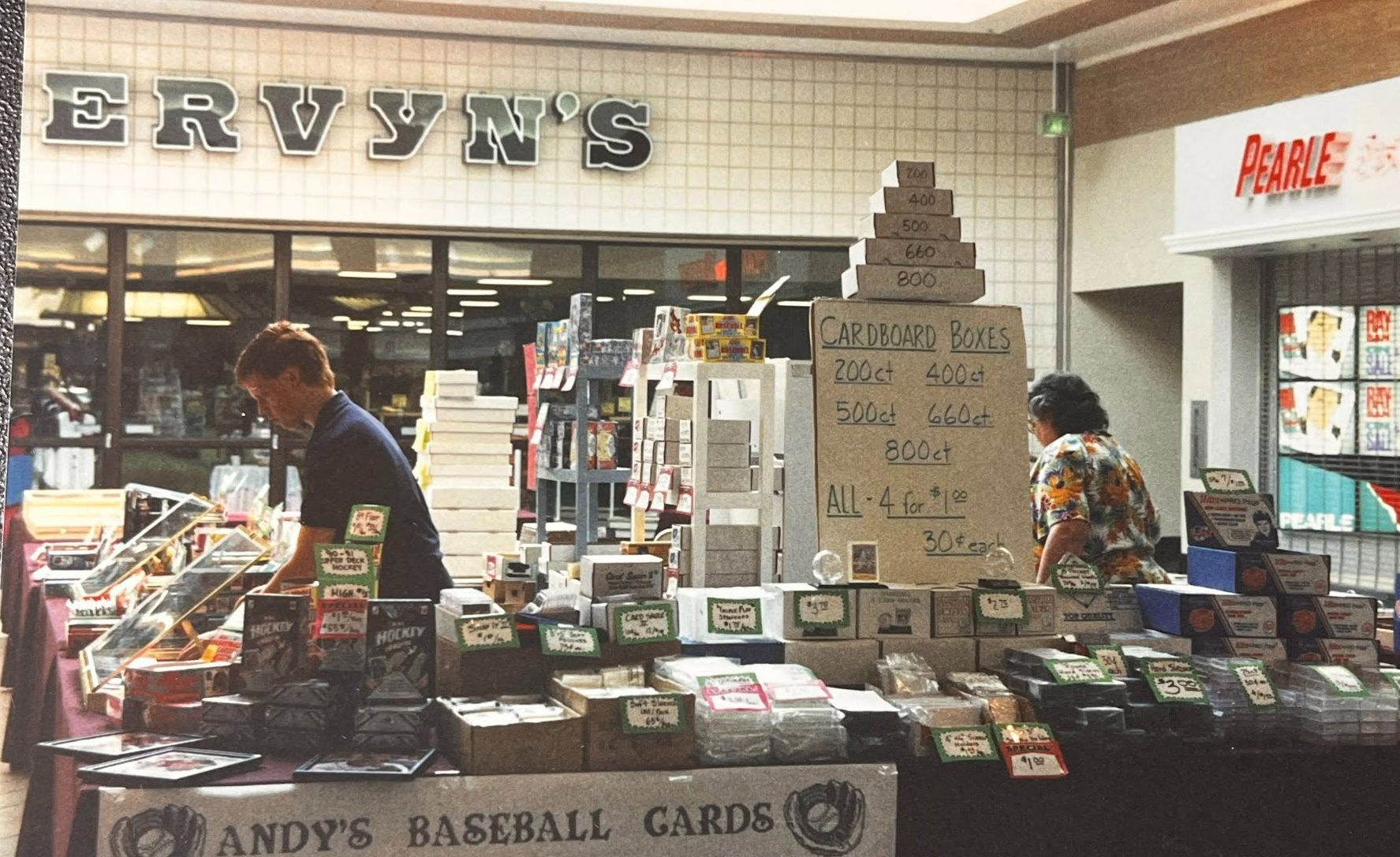
Over the next few years we kept doing shows and growing. After school I drove to every convenience store I could, buying what I thought would resell well and keeping inventory of everything. I read my Beckett cover to cover and memorized anything that would help me in front of customers. Before long we were taking 3 or 4 tables at almost every show in Western Washington.
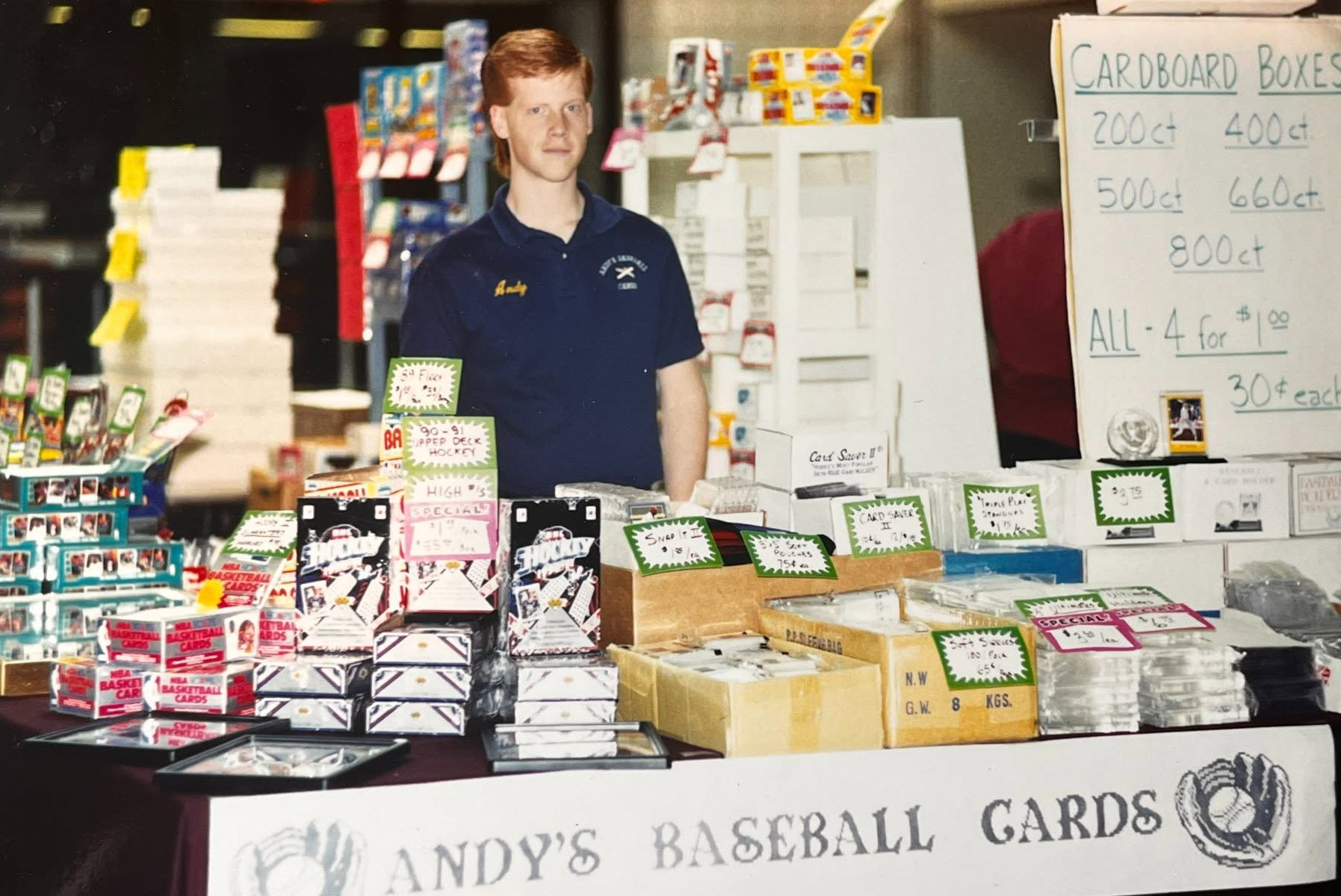
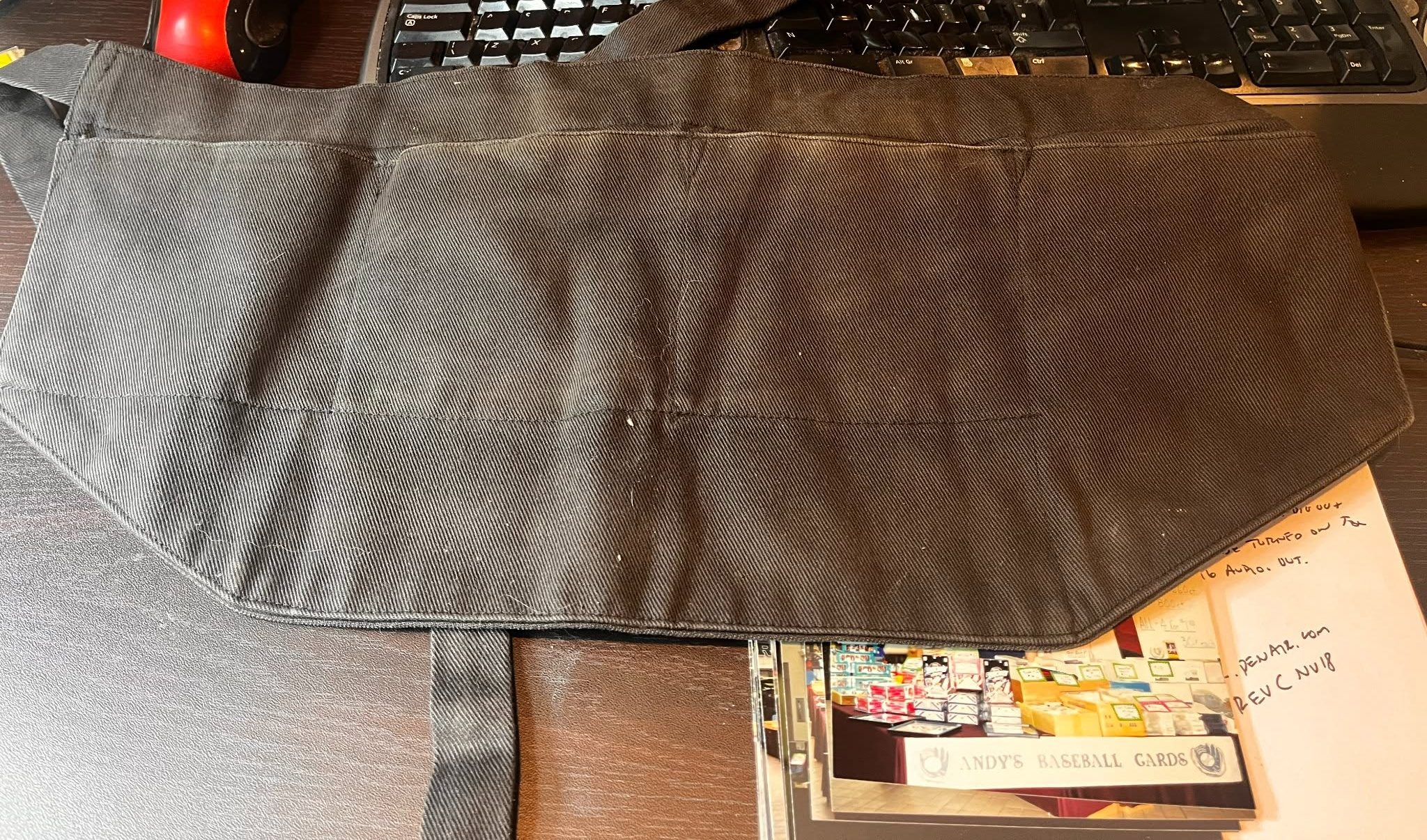
At every show I wore a black cloth apron my mom made for me, my "work pouch." It held pens, a knife, coins and, of course, a big wad of cash in the front left pocket. I still have it.
When grading cost $10
Over time I branched out into every sport, non-sports, and Magic: The Gathering, collecting sealed product, singles and sets. In the early to mid '90s I discovered graded cards. I started hunting for solid grades of cards I loved and sending in cards from my own collection.
Back then, grading ran $9.99 to $14.99 a card, and as I remember it, the cards came back fast.
The problem today
Today we have a problem in the hobby. Millions of collectors want their cards graded, and I understand why. A graded card is easier to sell because its quality is clear. A 10 from a reputable grader means a mint card, so the buyer knows exactly what they're getting.
Online, grading is close to a requirement for higher-end cards. If I'm buying a raw card over about $500, I'd rather do it in person, where I can inspect it, feel it, hold it, and even smell it. (Why smell? Older cards have an "old" smell that's hard to fake, and it helps tell you the card is real.)
But PSA and the other big graders now have huge backlogs, and their fees have jumped. That means more money and more waiting on every card you send in, and sometimes you find a flaw you missed only after you've paid.
Why I built Slab or Not
I'm not against grading. It's part of the hobby, and there's room for everyone in it. I buy and sell on Facebook, eBay, my own website and other places, and graded cards make those sales much smoother. After 40-plus years I'm still chasing certain players, and I sell cards I no longer need to help pay for them.
What I wanted was a smart second set of eyes on a card before I spent the time, effort and money to grade it. So I built one.
Slab or Not is built by a collector, for collectors. You take two phone photos, the front and the back. In about a minute it:
- measures the centering
- looks closely at the corners, edges and surface
- finds recent sales of that card, raw and at each grade
- estimates the grade the card will likely get
- compares what you'd net selling it raw with what you'd net after paying to grade it
Then it gives you a straight answer: SLAB IT or NOT, with the math behind it. It's free during the beta, and less than a dollar a check after that.
Using it myself, I've found that some cards I was sure were worth grading weren't. That's saved me time and money and let me focus on sending in the best cards. And it's taught me a lot about what makes a card a SLAB IT, or not.
Tell me what you think
I hope you find Slab or Not helpful, and I'd love your feedback, good or bad. I'm in the hobby every day, and I plan to stay in it until my time on this big blue ball is up.
Thanks for reading. I look forward to hearing from you.
Andrew, creator and owner of Slab or Not
Written by Andrew, edited with AI help. Feedback: slabornot@yahoo.com